

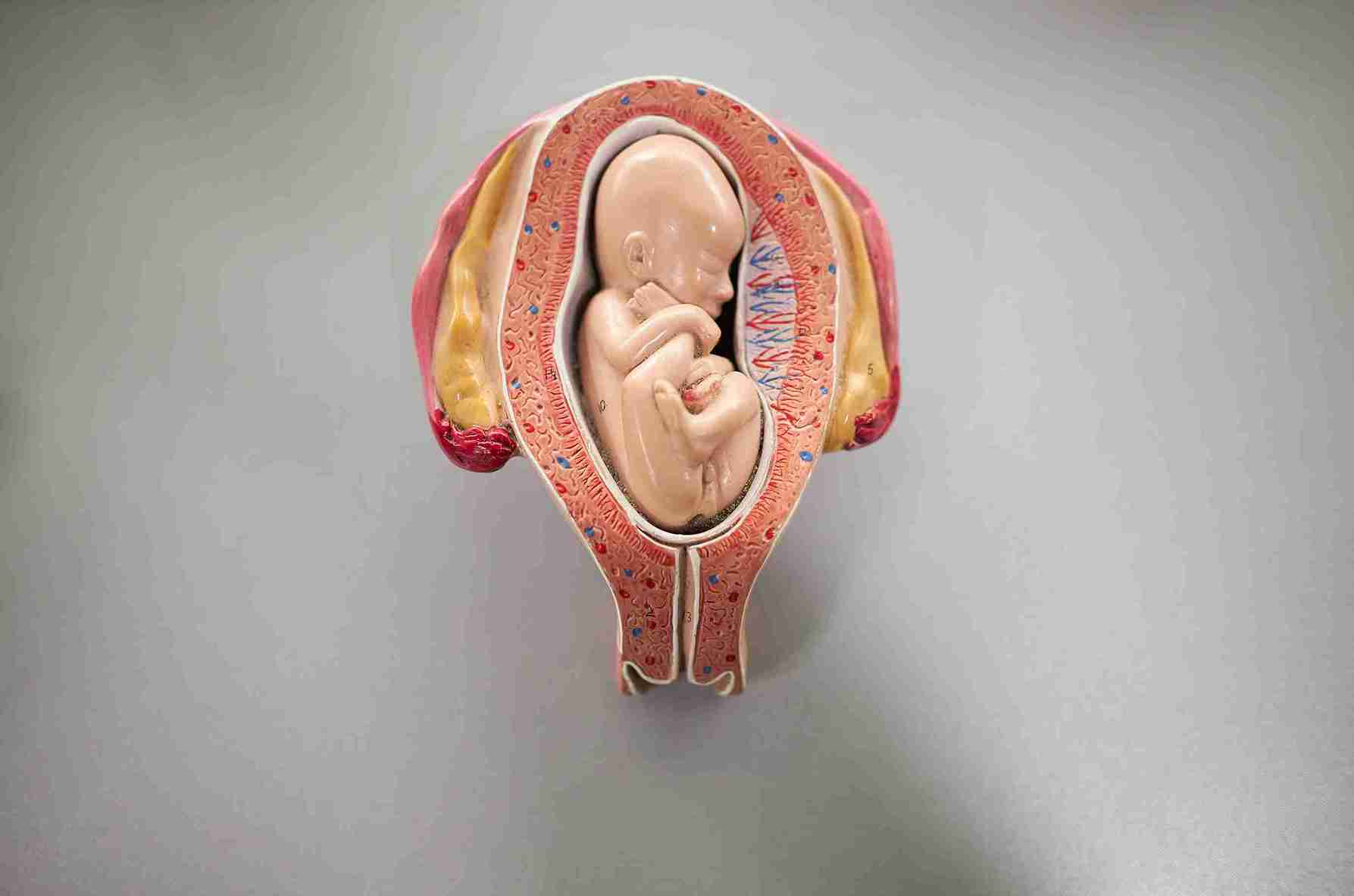
Pregnancy is a time fraught with changes and one of them involves the development of placenta around the back of your uterus. This temporary organ serves a major purpose, and that primarily involves supplying a healthy dose of oxygen and nutrients to your baby while helping expel any waste they may produce. Although this is a normal and an essential part of pregnancy, sometimes the placement of placenta might be unusual, causing what is known as an anterior placenta. Let’s talk more about it so you can understand that anterior placenta might be nothing to worry about.
What Is An Anterior Placenta?
An anterior placenta arises when the placenta develops right in front of the uterus while being behind your belly. It basically acts like a cushion between the two, covering your baby in a protective layer, which may actually make it harder to feel them move and kick in your belly. While that might sound like a downer, don’t worry. It only prevents you from feeling your foetus’ kicks in the early parts of the pregnancy, not in the later parts.
Now let’s talk symptoms. How do you know if you have an anterior placenta?
Even though it is nothing to worry about, it will manifest itself in clear signs, which include:
-
Hard to detect heart rate: Again, not to send alarm bells ringing, but when you go for regular checkups, it may be harder for your healthcare provider during a usual Doppler ultrasound. That doesn’t mean something is wrong with your baby. It’s just the anterior placenta acting like a soft wall in between.
-
Hard to detect fetal movement: Just as your baby’s heartbeat is hard to detect when you have an anterior placenta, so is fetal movement. It may take you more time to feel your baby kick. Normally, kicks are quite evident by the 18th week. However, for women with anterior placenta, they might be noticeable around the 20th week, and may still be softer or weaker. Again, this is generally not a cause for concern.
One thing to note here is that the connection between your placenta and your baby is maintained by the umbilical cord, and while you might think both of them serve no purpose at all after birth, umbilical cords definitely do. They are what’s used for cord blood banking, which you may have heard about from your healthcare team.
It basically involves extracting stem cells from your baby’s severed cord blood so they can be saved and stored for future use against a host of fatal or serious diseases including immune disorders, blood cancers, blood disorders, and more. It really is a great investment and you should talk about it with your medical team while you’re pregnant to explore your options.
How Does An Anterior Placenta Affect Your Baby & Your Pregnancy?
To understand how an anterior placenta might affect you and your baby, let’s take a look at its causes. The exact location of the fertilised egg’s implantation decides the location of your placenta. The problem is this cannot be predicted.
In fact, experts don’t know why fertilised eggs prefer one location over the other. Neither is it something you did or didn’t do. The only thing that is known for sure is that the location of your placenta doesn’t change how your pregnancy is treated. Neither does it have any major impact on it apart from what we mentioned above. It just takes longer to feel kicks and spot your baby’s heartbeat during Doppler ultrasounds, but beyond that, you have nothing to worry about.
That said, in certain cases, it can make it tough to perform a specific test known as amniocentesis. It is basically conducted to diagnose any genetic or congenital disorders your baby may have. This test is conducted on a foetus before birth and is a harmless and safe procedure.
What To Expect If You Have An Anterior Placenta?
Honestly, barring a tough to spot heartbeat and hard to feel kicks, you should not expect anything else if you have an anterior placenta. It’s really completely harmless and just as natural as a placenta behind your uterus. Its anterior position doesn’t affect how it works either. However, not feeling kicks earlier or feeling them as strongly can seem worrisome, but it’s really not. Once you get the satisfaction of knowing your baby is healthy and happy, you will forget all about it.
Conclusion
Having an anterior placenta might sound unusual and seem like a cause for concern but it is not. It is rather common and many women have their placentas in the same position. However, if you have any concerns, you can always speak to your healthcare provider. They will assure you everything is OK and you have nothing at all to worry about. Your baby is healthy and happy and due for a joyful arrival into this world.