

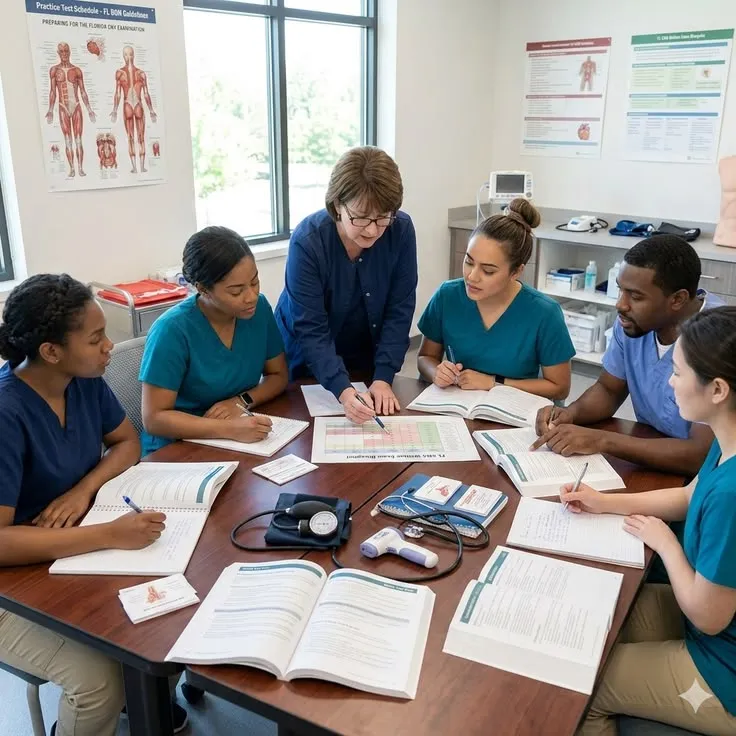
Medical assistants contribute to the daily operation of healthcare facilities by supporting patient interactions and helping clinical teams stay organized. Their work can involve both practical healthcare tasks and administrative responsibilities, depending on the setting. For someone entering the profession, learning technical procedures is important, but professional success also depends on communication, accuracy, and adaptability. A person searching for the best medical assistant school near me in houston should therefore examine more than the list of courses offered. Effective preparation should help students develop the habits and knowledge needed to work responsibly in a healthcare environment.
Communication Creates Better Patient Experiences
Patients may arrive at a medical office feeling anxious, confused, or uncomfortable. A medical assistant’s ability to listen carefully and communicate respectfully can influence how those interactions unfold.
Training should encourage clear explanations, appropriate professional language, and sensitivity to different patient needs. Medical assistants must also understand when a question belongs with a nurse, physician, or another licensed professional. Good communication includes recognizing the limits of one’s role rather than attempting to answer every medical concern.
Attention to Detail Supports Accurate Work
Healthcare environments rely on accurate information. Appointment details, patient records, and routine observations must be handled carefully because even small errors can create confusion.
Students should practice checking information, following established procedures, and asking for clarification when instructions are unclear. Developing these habits during training can make professional expectations easier to understand. Accuracy is not simply about working slowly; it involves using consistent methods and recognizing when something needs to be verified.
Clinical Skills Require Proper Supervision
Medical assistants may be trained in tasks such as obtaining vital signs, preparing examination rooms, and assisting with permitted procedures. The exact responsibilities depend on applicable requirements and the employer’s policies.
Practical instruction allows students to become familiar with equipment and learn appropriate techniques. Instructors can demonstrate procedures, observe performance, and correct mistakes. Repeated supervised practice is important because confidence without proper technique can create risks in a patient care setting.
Administrative Knowledge Is Equally Valuable
A healthcare office must manage appointments, records, communications, and various administrative processes. Medical assistants may support some of these responsibilities alongside their clinical duties.
Understanding medical terminology, documentation procedures, and basic office workflows can help students see how information moves through a healthcare facility. Training in these areas also supports coordination among staff members. Students should learn why accurate records and confidentiality matter, rather than treating administrative tasks as unrelated paperwork.
Professional Habits Worth Developing Early
Technical knowledge is only one part of workplace readiness. Medical assistants also need dependable habits that help healthcare teams operate smoothly.
Important qualities include:
-
Arriving prepared and respecting assigned schedules.
-
Following infection prevention and safety procedures.
-
Maintaining patient privacy and confidentiality.
-
Asking questions when instructions are unclear.
-
Communicating changes to appropriate staff members.
-
Keeping work areas clean and organized.
-
Responding professionally to feedback.
These qualities take time to develop. Training programs can reinforce them through practical expectations, classroom participation, and supervised activities.
Learning to Work With Different Personalities
Healthcare settings bring together patients, families, physicians, nurses, administrative employees, and other professionals. Each person may communicate differently or have different expectations.
Medical assistants should be prepared to remain respectful when someone is frustrated or worried. Active listening and a calm response can help prevent misunderstandings. Students also benefit from learning how to receive constructive feedback and work within a team without taking every correction personally.
Time Management Matters in Busy Clinics
Medical offices often operate according to tightly organized schedules. Appointments can run late, unexpected requests may arise, and several tasks may require attention at once.
Effective time management involves understanding priorities and knowing when to request assistance. Students can begin developing these habits by following classroom deadlines and practicing organized workflows. However, speed should never take priority over patient safety, accurate documentation, or the limits of assigned responsibilities.
Recognizing Professional Boundaries
A medical assistant’s training does not automatically authorize every healthcare procedure. Duties can vary by state law, the employer, supervision arrangements, and the person’s qualifications.
Students should understand the difference between assisting with care and independently diagnosing or treating patients. Questions outside their responsibilities must be directed to an appropriate healthcare professional. Respecting these boundaries helps protect patients and supports responsible teamwork.
Continuing to Learn After Training
Completing an educational program is an important milestone, but healthcare practices and workplace technologies continue to develop. New record systems, equipment, and procedures may require further instruction.
Graduates should remain open to additional training, employer guidance, and relevant certification opportunities. They should also review the requirements of positions they intend to pursue. A willingness to learn helps medical assistants adapt to different healthcare settings without overstating their existing qualifications.
Conclusion
Successful medical assistants combine practical skills with professional communication, careful documentation, teamwork, and respect for patient safety. Training should provide opportunities to develop these abilities through classroom learning and supervised practice. Lifeline Medical Assistant Training Program offers medical assistant education in Houston, including clinical and administrative instruction and an advertised externship experience. Prospective students should review the current curriculum, practical training arrangements, and credential requirements before enrolling. A strong educational foundation can support entry-level career preparation while encouraging the continuous learning that healthcare work demands.