

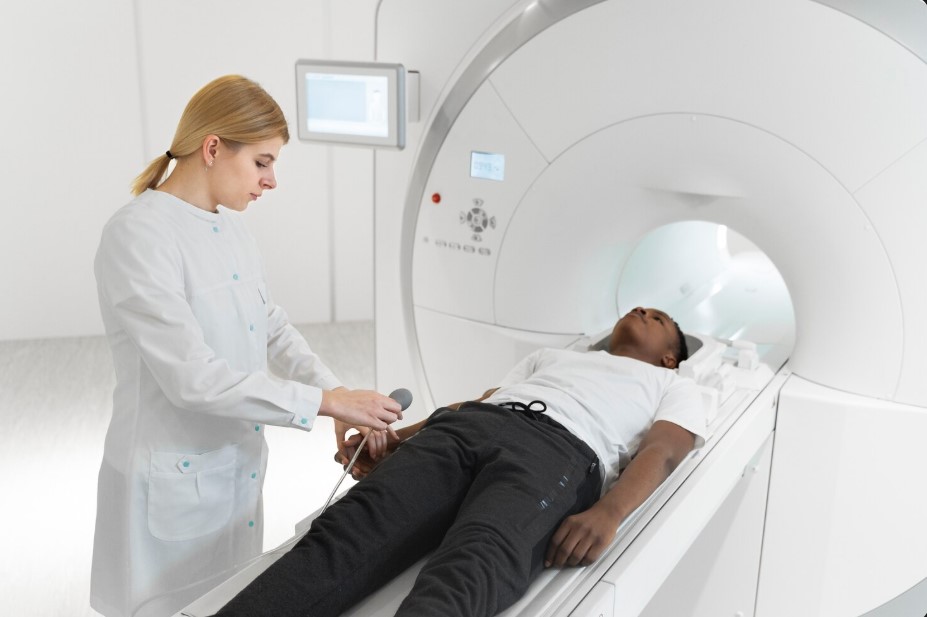
Many people feel anxious before an MRI scan because the traditional closed machine can create a sense of confinement, loud noise exposure, and emotional discomfort during the imaging process. Claustrophobic patients may experience stress, rapid heartbeat, sweating, panic sensations, or difficulty remaining still inside narrow MRI spaces, which can affect scan completion and image quality. This guide helps you learn why MRI related claustrophobia happens, how open MRI systems differ from traditional scanners, and why some patients feel more comfortable during open MRI imaging.
Why MRI Scans Can Feel Stressful for Claustrophobic Patients
Magnetic Resonance Imaging, commonly called MRI, is widely used to evaluate muscles, joints, nerves, organs, blood vessels, and other internal body structures without radiation exposure. During the scan, patients usually lie still on a moving table while the machine captures detailed images using magnetic fields and radio waves. Although MRI is generally safe and noninvasive, the enclosed structure of traditional machines can create emotional discomfort for some individuals.
Claustrophobia refers to intense anxiety related to confined or enclosed spaces. People with claustrophobia may feel trapped inside narrow environments even when no actual danger exists. During a closed MRI scan, patients often remain inside a tunnel shaped machine for an extended period while hearing repetitive loud sounds. This environment may trigger physical and emotional stress responses that interfere with comfort and cooperation during imaging.
Common Feelings Experienced During Closed MRI Scans
Claustrophobic reactions can vary between individuals. Some patients feel mild nervousness, while others experience significant panic symptoms during MRI imaging.
Common experiences reported during closed MRI scans include:
- Feeling trapped or unable to move
- Rapid heartbeat or chest tightness
- Sweating and shaking
- Difficulty breathing calmly
- Fear of enclosed spaces
- Anxiety from loud machine sounds
- Feeling emotionally overwhelmed
- Difficulty remaining still during the scan
- Panic sensations during long imaging sessions
- Increased stress before future scans
How Open MRI Differs From Traditional MRI Systems
Open MRI systems are designed with a more spacious structure compared to traditional tunnel style MRI machines. Instead of being fully enclosed on all sides, open MRI machines typically provide open spaces around the patient, helping reduce feelings of confinement during imaging procedures.
Many claustrophobic patients feel more comfortable because the open design allows better visibility of the surrounding environment. Some systems also allow improved airflow and reduced visual restriction, which may help lower anxiety during scanning. Open MRI technology continues to improve, and many modern systems can provide useful diagnostic imaging for various medical conditions.
Features That Help Improve Patient Comfort
Open MRI systems include several features that may support a more comfortable imaging experience for anxious or claustrophobic individuals.
Features commonly associated with open MRI include:
- Wider and more open scanning design
- Reduced enclosed tunnel sensation
- Better visibility outside the machine
- More comfortable positioning for some patients
- Improved tolerance for individuals with anxiety
- Easier accommodation for larger body types
- Reduced emotional stress during imaging
- Better comfort for elderly or pediatric patients
Why Remaining Still During MRI Is Important
MRI imaging requires patients to remain as still as possible to capture clear diagnostic images. Movement during scanning may blur the images and affect diagnostic accuracy. Claustrophobia related anxiety can make it difficult for some individuals to remain calm and motionless throughout the procedure.
When patients feel more relaxed, scan quality often improves because body movement decreases. Open MRI systems may help certain patients tolerate imaging better, reducing interruptions and improving the likelihood of successful scan completion without excessive distress.
Who May Benefit Most From Open MRI Imaging
Open MRI may be particularly helpful for individuals who previously experienced difficulty completing a traditional MRI scan. Some patients delay important medical imaging because of fear related to enclosed spaces, leading to postponed diagnosis or treatment planning.
Patients with anxiety disorders, panic tendencies, mobility challenges, chronic pain, or obesity may also prefer open MRI systems depending on the type of imaging required. Children and elderly patients sometimes tolerate open MRI more comfortably because the environment may feel less intimidating compared to fully enclosed scanners.
Situations Where Open MRI May Be Considered
Healthcare providers may recommend discussing open MRI options in several situations involving patient comfort or scan tolerance concerns.
Open MRI may be considered for:
- Claustrophobic patients
- Individuals with panic disorder
- Elderly patients with anxiety
- Children sensitive to confined spaces
- Patients with larger body size
- Individuals unable to tolerate closed scanners
- Patients requiring longer imaging sessions
- People with movement anxiety during scans
Preparing for an MRI When Anxiety Is a Concern
Preparation can play an important role in reducing MRI related anxiety. Patients often feel calmer when they know what to expect before the imaging appointment. Clear communication with healthcare providers and imaging staff may help reduce uncertainty and improve emotional comfort during the procedure.
Patients are usually informed about scan duration, body positioning, machine sounds, and communication methods used during imaging. Many MRI centers allow patients to speak with the technician through an intercom system during the scan. Some facilities may also provide calming techniques or additional support for anxious individuals.
Helpful Steps Before the Scan
Simple preparation habits may help reduce anxiety before MRI imaging appointments.
Helpful preparation steps may include:
- Discussing claustrophobia before scheduling
- Visiting the imaging facility early
- Wearing comfortable clothing if permitted
- Practicing slow breathing techniques
- Avoiding excessive caffeine before the scan
- Bringing approved ear protection if allowed
- Following all pre scan instructions carefully
- Asking questions about scan timing and procedure
The Role of Communication During Imaging
Open communication between patients and imaging staff is important throughout the MRI process. Informing the medical team about claustrophobia or panic symptoms before the scan allows staff to provide guidance and supportive adjustments when possible.
Technologists are trained to help patients remain calm and explain each stage of the procedure. Some patients feel less anxious when they know they can communicate during the scan if discomfort increases. Emotional reassurance and gradual preparation often improve scan tolerance significantly.
Image Quality and Medical Considerations in Open MRI
MRI technology continues to advance, and many open MRI systems provide useful diagnostic imaging for a wide range of medical conditions. However, the suitability of open MRI may depend on the body area being scanned, the level of imaging detail required, and the specific medical concern under evaluation.
Certain advanced scans may still require traditional high field MRI systems because they can produce highly detailed images for complex diagnostic needs. Healthcare providers usually decide which MRI system is most appropriate based on both medical accuracy and patient comfort considerations.
Why Medical Guidance Remains Important
Choosing the appropriate MRI system should involve professional medical guidance rather than anxiety concerns alone. Physicians evaluate the reason for imaging, the body area involved, previous medical history, and the level of image detail needed before recommending a scan type.
Patients should also inform healthcare providers about metal implants, pacemakers, previous surgeries, pregnancy, or other medical conditions before MRI imaging because certain safety precautions may apply depending on individual circumstances.
Choosing the Right Imaging Experience for Better Comfort
Fear of closed MRI scans can create significant emotional stress for claustrophobic patients and may interfere with completing important diagnostic imaging procedures. Open MRI systems provide a more spacious and less restrictive environment that many individuals find easier to tolerate during scanning. Proper preparation, communication with healthcare providers, and selecting the most suitable imaging approach may help improve comfort, reduce anxiety, and support a smoother MRI experience for patients requiring medical imaging evaluation.