

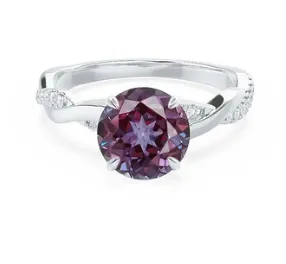
Few gemstones capture the imagination quite like alexandrite. Known for its remarkable colour-changing effect, this rare variety of chrysoberyl can shift from greenish hues in daylight to rich red or purplish tones under warmer lighting. For those seeking a distinctive engagement ring or a meaningful fine jewellery piece, choosing the right stone involves more than selecting a beautiful colour. A careful approach to cut, carat, setting, and craftsmanship helps ensure the ring feels as exceptional as the gemstone itself. Exploring options such as alexandrite rings by Lily Arkwright allows buyers to consider responsibly created stones with the same visual appeal and character associated with natural alexandrite.
Understand the Unique Appeal of Lab-Grown Alexandrite
The defining feature of alexandrite is its pleochroic nature, where the gemstone displays different colours depending on the surrounding light. A well-cut lab-grown alexandrite should showcase this transformation clearly rather than appearing flat or overly dark. The quality of the colour shift is often one of the most important factors to consider, as two stones of similar size may have very different levels of visual impact.
Lab-grown alexandrite offers an alternative for those who appreciate this rare gemstone but prefer a more accessible and considered approach to sourcing. Created in controlled environments, these stones are designed to replicate the optical properties of naturally occurring alexandrite while providing greater availability for modern jewellery designs.
Choose the Right Carat Size for the Design
Carat weight is an important consideration, but the ideal size depends on the overall style of the ring and how the stone interacts with its setting. A larger stone, such as a 2-carat alexandrite, may provide a more dramatic colour display and a stronger focal point, making it suitable for someone who prefers statement jewellery. However, a 1-carat stone can offer a refined, elegant appearance that allows the gemstone’s colour-changing qualities to remain the centre of attention.
The shape of the gemstone also influences its presence. Oval and cushion cuts can create a softer, vintage-inspired look, while emerald or elongated cuts may emphasise the stone’s clarity and sophisticated character. The best choice is one that complements the wearer’s style rather than simply prioritising size.
Consider the Setting and Metal Choice Carefully
A lab-grown alexandrite ring should be designed to enhance the gemstone rather than compete with it. Settings with clean lines can highlight the stone’s unusual colour transitions, while halo designs or accent stones can add additional sparkle and dimension.
The metal choice also affects how the alexandrite appears. White metals such as platinum or white gold can create a crisp, contemporary aesthetic and allow cooler tones within the gemstone to stand out. Yellow or rose gold settings can bring warmth to the design, often complementing the red and purple flashes visible in certain lighting conditions.
Evaluate Craftsmanship and Long-Term Wearability
A beautiful gemstone deserves a setting built to last. Before choosing a ring, consider the quality of the craftsmanship, including the security of the stone setting, the finish of the metal, and the overall balance of the design. A well-made ring should feel comfortable for everyday wear while maintaining its elegance over time.
It is also worth considering practical care requirements. Alexandrite is a durable gemstone, but regular cleaning with gentle methods and professional inspections can help preserve its brilliance and ensure the setting remains secure.
Final Thought
Selecting a lab-grown alexandrite ring is about finding harmony between gemstone character, design preferences, and lasting quality. The most memorable pieces are not necessarily the largest or most elaborate; they are the ones chosen with attention to the details that make them personally meaningful. By considering colour change, proportion, craftsmanship, and setting style, buyers can select a ring that celebrates the rare beauty and individuality of alexandrite for years to come.