

Pain can make everyday movement feel complicated. A stiff neck can affect driving, a painful knee can make stairs difficult, and a sore shoulder can interrupt work, exercise, or sleep. This is why many people looking for Physiotherapy Zurich are not only trying to reduce discomfort. They also want to understand why a movement has become painful and how they can return to normal activity with more confidence.
A useful physiotherapy assessment looks beyond the location of pain. The way a person stands, walks, bends, lifts, or rotates can reveal whether certain joints are moving too little, whether muscles are compensating, or whether strength and coordination have changed after an injury. These observations help a physiotherapist build a treatment plan around the individual instead of relying on the same routine for everyone.
Pain and Movement Do Not Always Tell the Same Story
The area that hurts is not always the only area that needs attention. For example, discomfort around the knee may be influenced by hip strength, ankle mobility, training load, or the way someone lands during sport. Likewise, persistent shoulder pain can sometimes be associated with reduced upper-back movement or altered muscle control. A broader assessment helps identify factors that may be contributing to the problem.
Treatment can then be adjusted according to what the person needs most. Some people may benefit from mobility work, while others need progressive strengthening, balance training, movement retraining, or a gradual return to activity. The goal is not to force the body through pain. It is to restore useful movement step by step and build tolerance at a pace that makes sense.
Where Hands-On Treatment Can Fit
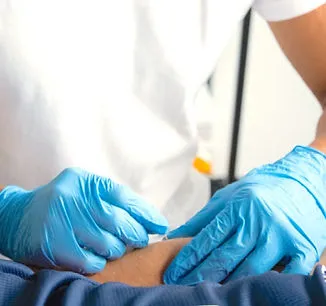
For certain musculoskeletal problems, Manual Therapy in Zurich may be used as one part of a wider rehabilitation plan. Manual therapy includes hands-on techniques designed to improve joint or soft-tissue movement and may help some people feel more comfortable while they begin active rehabilitation. It is usually most useful when combined with exercise, education, and changes to the activities that are aggravating symptoms.
Hands-on treatment should not be viewed as a complete solution by itself. A person may feel better after a session, but long-term progress often depends on rebuilding strength, control, mobility, and confidence. This is why modern physiotherapy commonly combines symptom-relieving techniques with active work that the patient can continue between appointments.
Progress Depends on More Than Exercise Selection
The best exercise is not simply the one that looks impressive. It is the one that matches the person’s current capacity and can be progressed safely. Someone recovering from back pain may begin with controlled movements and gradually return to lifting. A runner with a lower-limb injury may start with strength and balance work before increasing running volume.
A good rehabilitation plan may consider:
-
the movements that currently trigger symptoms;
-
the physical demands of work, sport, or daily life;
-
previous injuries and current activity levels;
-
strength, mobility, balance, and coordination;
-
how the body responds as exercise difficulty increases.
These details make rehabilitation more practical because the plan is connected to real goals rather than isolated clinic exercises.
Recovery Should Prepare You for Daily Life
Feeling better during a treatment session is encouraging, but the bigger test is what happens afterwards. Can you sit through a workday without symptoms building? Can you carry groceries, climb stairs, train at the gym, or return to your sport comfortably? Rehabilitation should gradually prepare the body for those specific demands.
That process may involve adding resistance, increasing movement range, practising repeated tasks, or introducing more speed and complexity. Progress is rarely perfectly linear. Temporary soreness or slower weeks can happen, which is why treatment plans often need to be reviewed and adjusted rather than followed rigidly.
The Value of Understanding Your Own Recovery
Physiotherapy becomes more useful when patients understand what they are doing and why. Clear explanations can reduce uncertainty and make it easier to recognise the difference between normal exercise effort and symptoms that should be reported. It also helps people take a more active role in their recovery.
This education matters after formal treatment ends as well. Knowing how to manage training load, maintain strength, or respond early to recurring stiffness can make future problems easier to handle.
Conclusion
Good rehabilitation is about more than temporarily reducing pain. It should help a person move better, rebuild physical capacity, and return to the activities that matter to them. By combining a detailed assessment, appropriate hands-on care, progressive exercise, and practical education, physiotherapy can support a more confident and sustainable return to everyday movement.