

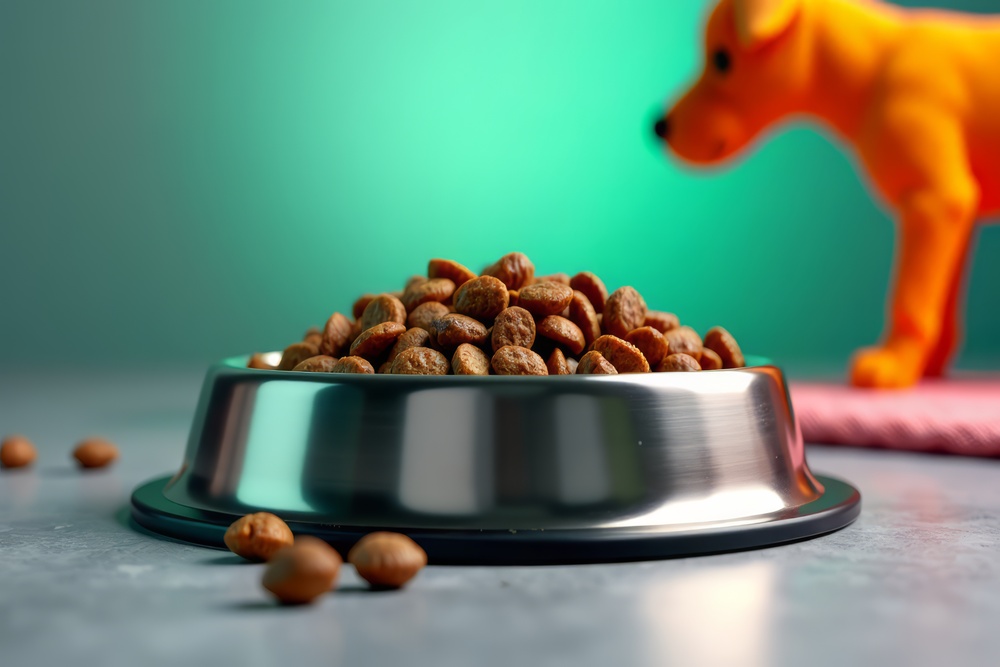
Your dog scarfs down dinner as if there’s no tomorrow. Sound familiar? That daily feeding ritual you’ve got going might actually need some work. The thing is, dogs get stuck in patterns that aren’t always good for them. From speed eating to gassy bellies, mealtime problems pop up when nobody’s paying attention.
Signs Your Current Setup Isn’t Working
Watch what happens at dinner tonight. Does your pup vacuum up every last kibble in under a minute? That will cause problems. Dogs who eat too fast end up bloated and miserable. They vomit. They get gas. Some dogs hover over their bowl like someone’s about to steal it. Others take two bites and walk off.
Something’s off when dogs act weird around food. Maybe the kitchen’s too loud when everyone’s cooking. Or the bowl sits right next to the washing machine that randomly kicks on. Plastic bowls stink after a while. Dogs smell the old food residue and lose their appetite. Even the wrong bowl height makes eating a pain in the neck.
Timing Changes Everything
Twice a day feeding works for lots of dogs. Morning and night, done. But puppies need to eat more often or they crash. Smaller meals are better for older dogs. Consider the periods between meals. The dog eats at six, then doesn’t eat again until six the following morning. That’s twelve hours. Their stomachs churn out acid all night with nothing to digest. Then comes that gross yellow bile on your carpet before breakfast. Shift meals by an hour. That can occasionally resolve the vomiting problem.
Bowl Placement and Environment Matter More Than You Think
Dogs care where they eat. A bowl in the middle of kitchen chaos stresses them out. So they gulp everything fast and bolt. Backed into a corner makes some dogs feel defensive. They growl at nothing because they feel trapped while eating. Move the bowl around. Try the dining room. Or that quiet spot by the pantry. Dogs want to see what’s happening while they eat; old wolf habits die hard. But they also want peace. Keep food away from where they sleep and definitely away from where they poop.
Food Type and Digestive Health Connect Directly
Switching foods cold turkey messes up your dog’s gut. But sticking with crappy food causes its own disasters. Constant gas means something’s wrong. Finding the best dog food for gas takes some detective work. Could be the chicken. Might be too much grain. Some dogs can’t process certain proteins well. When you switch foods, the experts at Nextrition recommend you go slow. Really slow. Add a handful of new stuff to the old stuff. The next day, a bit more. After a week, they’re eating mostly new food. Their gut bacteria need time to figure out what’s going on.
Making Mealtime More Engaging
Throwing kibble in a bowl is a wasted opportunity. Dogs get tired of eating the same way daily. Puzzle feeders make them work for dinner. It slows down the speed demons too. Snuffle mats hide food in fabric strips. Dogs root around with their noses, hunting for each piece. Scatter feeding works great for dry food. Toss kibble across the kitchen floor. Your dog becomes a little vacuum cleaner, but a happy one. Mental work wears them out just like physical exercise does.
Conclusion
Mealtime does more than satisfy hunger. Their health and mood depend on their routine. Don’t make all the changes at once. Pick one thing. Try it for two weeks. See what happens. Maybe you move the bowl first. Or buy a puzzle feeder. Maybe have dinner an hour earlier. Mealtime will become enjoyable for you and your dog.