

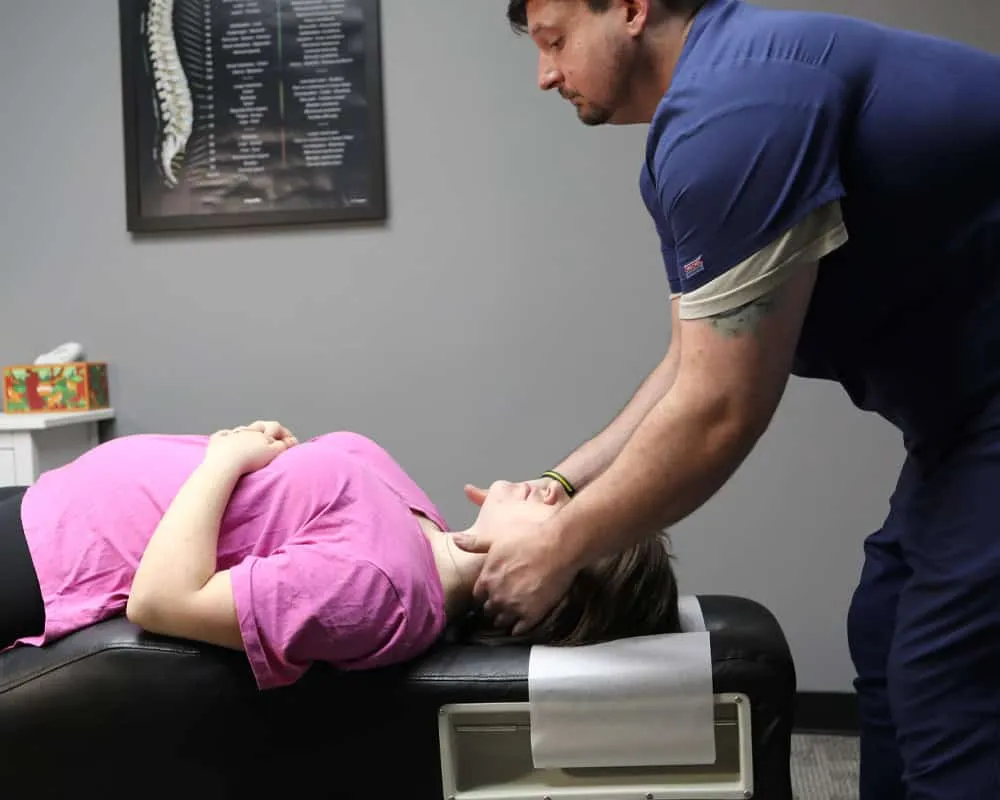
Many people assume that a quick spinal adjustment is all they need to feel better, but lasting relief takes more than a single treatment. When you visit a Chiropractor Gladstone MO, adjustments can restore joint motion and ease pain, yet the muscles supporting your spine still need attention. Strength and movement rehab teaches your body to hold those improvements, move efficiently, and handle daily demands without flaring up again. Understanding how these two approaches work together can help you recover faster, avoid repeat injuries, and build a healthier, more resilient back for years ahead.
What Spinal Adjustments Actually Do
Spinal adjustments apply controlled force to joints that have become stiff or restricted, helping restore normal motion and reduce irritation to surrounding tissues. Many patients notice less pain, easier breathing, and improved flexibility soon afterward. However, an adjustment does not build muscle, retrain posture, or correct the habits that caused the problem initially. Think of it as unlocking a door that was stuck. The door opens more freely, but you still need to practice walking through it correctly. That is why adjustments work best when paired with active care that reinforces better movement.
Why Weak Muscles Undermine Your Results
Your spine relies on a network of deep stabilizing muscles to stay aligned during sitting, lifting, and walking. When those muscles are weak or underactive, larger muscles compensate, pulling joints back into old patterns of tension and misalignment. This explains why some people feel great after treatment but return to pain within days. Strengthening the core, hips, and back gives your spine reliable support between visits. Stronger muscles share the workload, reduce strain on joints, and help your adjustments last much longer. That steady support is what turns short-term relief into a lasting recovery.
How Movement Training Corrects Daily Habits
Pain often develops from repeated movement patterns, such as slouching at a desk, twisting awkwardly while lifting, or favoring one side during exercise. Movement rehab identifies these habits and replaces them with smoother, safer mechanics. Through guided drills, you learn how to hinge at the hips, rotate through the torso, and distribute weight evenly. Over time, these corrections become automatic, so your body moves properly without constant thought. This skill building protects your back at work, at home, and during the activities you enjoy most, day after day.
Preventing Re-Injury and Chronic Pain
Recurring pain is frustrating, and it often signals that the underlying weakness or movement problem was never addressed. Rehab exercises build tissue tolerance, meaning your muscles, tendons, and joints can handle more stress before becoming irritated. This resilience lowers the chance of reinjury after a sprain, strain, or accident. It also reduces the risk of acute problems turning into chronic conditions that linger for months. By investing in strength now, you create a protective buffer that keeps minor setbacks from becoming major interruptions to your routine.
Improving Mobility, Balance, and Performance
Rehab is not only about recovering from pain; it also improves how well your body performs. Mobility exercises increase joint range, while balance and coordination drills sharpen the communication between your brain and muscles. Athletes, weekend warriors, and busy professionals all benefit from this improved control. You may notice better posture, steadier footing, and more power during workouts or physical jobs. When your body moves freely and efficiently, everyday tasks feel easier, and you gain the confidence to stay active without worrying about hurting yourself again.
Building a Personalized Recovery Plan
No two patients share the same body, history, or goals, so effective care should never follow a generic template. A personalized plan begins with a thorough assessment of your posture, strength, flexibility, and movement quality. From there, your provider combines adjustments with targeted exercises, gradually progressing difficulty as you improve. Regular reassessment keeps your plan on track and allows adjustments when needed. This collaborative approach keeps you engaged, informed, and motivated, which greatly improves the chances that your results will remain strong long after formal treatment ends.
Conclusion
Spinal adjustments and strength-based rehab work best as a team, with one restoring motion and the other building the support that keeps it. At Impact Injury Rehab, care combines both so you can recover fully and stay active. Our team focuses on practical, personalized plans that fit your goals and schedule. Take the next step toward lasting relief by visiting Impact Injury Rehab and scheduling your evaluation today. A stronger, better-moving body is within reach, and the right guidance can help you get there with confidence, comfort, and fewer setbacks along the way.